
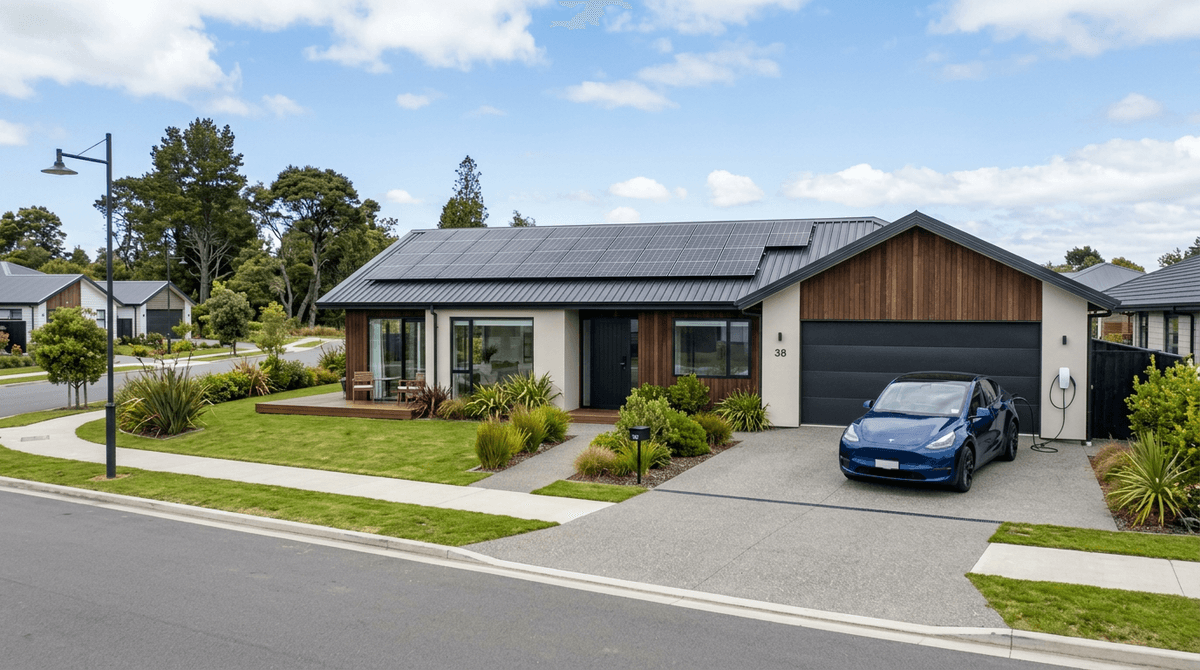
New Zealand is not tropical. Many households lean on electric space heating—increasingly heat pumps, still sometimes resistance—through damp, cool winters. Summer cooling exists (especially northward) but rarely dominates the annual curve the way it does in Singapore or Dubai. Bills often separate energy (retailer) from network (lines company) charges; treating the total as “one kWh price” hides why your bill moves.
Illustrative range: Efficient apartments and small homes might annualise around 400–900 kWh/month equivalent with winter spikes higher; large or poorly insulated detached homes can sit well above that band. Use your hourly or monthly meter data if your retailer provides it.
Tools: How to Calculate Electricity Bill from kWh · How to Calculate kWh from Watts and Hours · WattSizing Calculator
Retailers, lines companies, and what “average kWh” should mean
The Electricity Authority oversees market rules and publishes useful market statistics. Retailers sell kWh; lines companies own local networks and recover costs through regulated charges. Your total dollars can move when network tariffs change even if kWh is flat—read both sections.
Illustrative monthly kWh bands
| Profile | Electricity kWh/month (illustrative) |
|---|---|
| Efficient apartment, heat pump used sparingly | 150–320 |
| Typical house, mixed heating & hot water | 350–700 |
| Large or drafty home, cold-climate heating | 700–1,200+ in winter peaks |
Note: many NZ homes use gas or wood for some heating—electricity kWh is not the same as total household energy.
Heat pumps versus resistance: why COP matters for averages
A modern heat pump can deliver more heat per kWh than baseboard or fan heaters at the same comfort level—if it is sized, installed, and maintained correctly. National “average kWh” articles that ignore heating type will mislead you in Christchurch or Dunedin.
Regional honesty: Auckland is not Invercargill
Heating degree days and insulation quality swing bills more than gadget tips. Compare your home to similar floor area and era, not to a national meme.
What overseas “average home” pages get wrong about NZ
- Assuming cooling-dominated curves.
- Ignoring lines vs energy split on the bill.
- Quoting one annual kWh without winter peak shape.
Worked example (illustration only)
620 kWh in a 31-day winter month at NZD 0.35/kWh on the energy component only (example):
620 × 0.35 = NZD 217 before lines, fixed retail items, and GST as applicable on your plan.
FAQs
Where can I see official market statistics?
Start with the Electricity Authority publications and your retailer portal for personal usage.
Why did my bill rise when the weather felt the same?
Network charge updates, plan changes, or more auxiliary heating (portables) can move dollars without a obvious thermostat change.
Are smart meters common?
Many homes have advanced metering; availability of time-of-use plans depends on retailer offers—read contract terms.
Does solar plus battery change “average usage”?
Grid import kWh can fall while gross electrical demand stays high. Benchmark import, export, and self-consumption separately if data exists.
How does hot water affect kWh?
Electric cylinders and wet-back arrangements can dominate off-peak or night profiles—check ripple control or controlled load lines on rural or older plans.
Who publishes efficiency guidance?
EECA (Energy Efficiency and Conservation Authority) provides consumer guidance on efficient appliances and home improvements.
Sources
CTA
Model heating and appliance stacks in the WattSizing Calculator against your retailer’s kWh history.


