
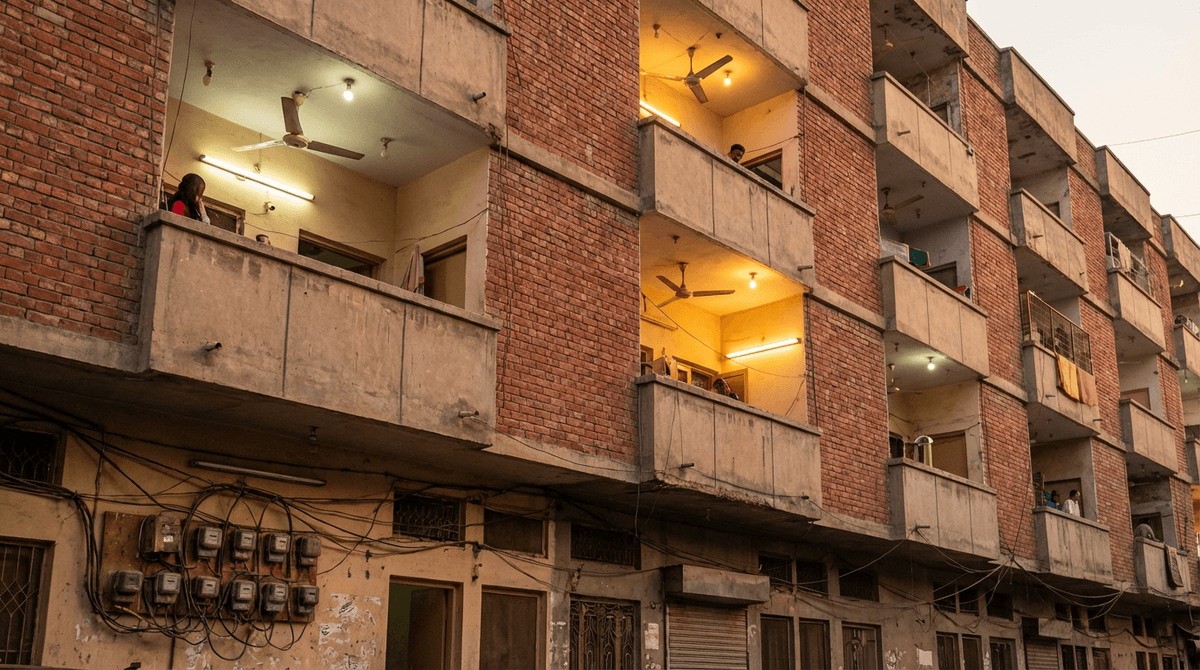
Pakistan’s residential meters sit under distribution companies (DISCOs) across provinces. Summer cooling dominates urban kWh curves; outage hours push many households toward UPS/inverters or generators—so grid kWh can understate the total electrical energy your household actually consumes in a month.
Illustrative bands: Modest urban flats often show roughly 120–350 kWh/month on the meter; larger homes with multiple ACs and pumps can exceed 400–1,200+ kWh/month in peak heat. Rural and mixed-supply homes need context, not copy-paste averages.
Tools: How to Calculate Electricity Bill from kWh · How to Calculate kWh from Watts and Hours · WattSizing Calculator
DISCO areas and why “Pakistan average kWh” splits by city
Lahore is not Gwadar for humidity, setpoints, and hours of supply. Tariffs and fuel charge adjustments also move effective PKR/kWh between periods. Benchmark against your DISCO notice for the billing month.
Illustrative monthly kWh bands (grid meter)
| Profile | Typical kWh/month (illustrative) |
|---|---|
| Small flat, fans-first | 80–200 |
| Mid apartment, 1–2 inverter splits | 200–450 |
| Large house, heavy AC + pumps | 450–1,000+ |
If you run backup during outages, add a separate mental ledger for fuel or battery throughput—it will not appear the same way as grid kWh.
Reading your bill beyond “units consumed”
- Billing period and kWh (sometimes shown as units).
- Slab or fixed charge lines if your tariff uses them.
- FCA or periodic adjustments that change peso totals without behaviour change.
- Taxes and surcharges listed separately.
Regulatory notices and tariff methodology context appear via NEPRA; your DISCO website carries consumer tariff PDFs.
What thin international articles miss
- Supply hours shape comfort behaviour (more precooling, more backup).
- Monsoon humidity changes how AC “feels” at the same setpoint.
- Voltage and appliance health can raise kWh when motors struggle.
Worked example (illustration only)
380 kWh at an illustrative blended PKR 45/kWh on the variable energy slice:
380 × 45 = PKR 17,100 before fixed charges and adjustments.
A 12% summer behaviour trim → 334 kWh → 334 × 45 ≈ PKR 15,030 at the same illustrative rate.
FAQs
Is there one national average for every Pakistani home?
No—city climate, home size, DISCO, and backup behaviour diverge too widely. Use your trailing six bills for a personal baseline.
Why is my bill high but kWh looks normal?
Tariff adjustments, slab boundaries, or estimated reads can move money without a big lifestyle change. Compare kWh per day and read type.
Do inverter ACs reduce typical monthly kWh?
Usually versus old fixed-speed units if coils are clean and the system is not oversized short-cycling.
How should I count generator energy?
Track runtime × rated load × efficiency guess separately; it will not match grid kWh line items.
Where are official tariffs published?
NEPRA and your DISCO consumer tariff circulars.
Can net metering change averages?
On-grid solar lowers import kWh; model export and self-consumption with your installer and DISCO rules.
Sources
- NEPRA — National Electric Power Regulatory Authority
- WAPDA (sector context)
CTA
Estimate monthly kWh from real appliance hours in the WattSizing Calculator and compare with your DISCO statement.


