
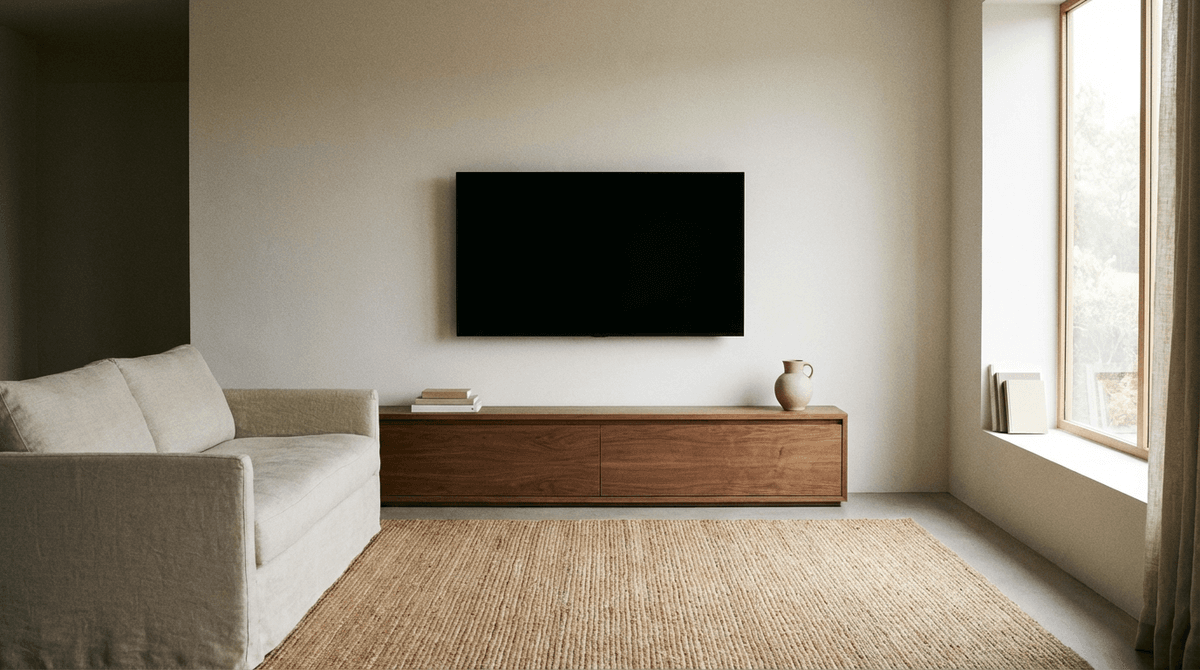
Most modern televisions use around 30 to 200 watts while running, with larger and brighter screens drawing more.
For full system planning, use the WattSizing Calculator.
Quick Answer
Most modern televisions use around 30 to 200 watts while running, with larger and brighter screens drawing more.
In this context, Rainy season routines can change appliance schedules, indoor occupancy, and moisture-related usage.
Practical Watt Ranges in This Context
| Device Type / Use Case | Typical Running Watts | Typical Peak / Starting Watts |
|---|---|---|
| 24-32 inch LED TV | 30 - 70 W | 35 - 80 W |
| 40-50 inch LED TV | 60 - 120 W | 70 - 130 W |
| 55-65 inch LED TV | 90 - 180 W | 100 - 200 W |
| 75+ inch LED/OLED TV | 130 - 300 W | 150 - 330 W |
Real-World Usage Examples
Example: A TV averaging 110 W runs for 5 hours.
- Runtime in hours: 5.0 h
- Energy used: (110 x 5.0) / 1000 = 0.55 kWh
In rainy season, usage patterns can shift due to timing, climate, and occupancy. Expect usage spikes on high-humidity days and around laundry-heavy periods.
For comparison and full-load planning, pair this with How Many Watts Does a Television Use Per Day and How Many Watts Does a Refrigerator Use.
How to Manage Consumption Better
- Run heavy cycles when other large loads are off.
- Use efficient settings first, then increase only when needed.
- Track both watt peaks and daily kWh for accurate sizing.
- Recheck real usage seasonally because behavior changes over time.
FAQs
Do TVs have large startup surges?
Usually no. Startup peaks are generally modest compared with compressor appliances.
Do HDR and gaming modes use more power?
Often yes. Higher brightness and refresh behavior can increase average watt draw.
Should standby consumption be included?
Yes for full budgeting, because standby draw is small but continuous across the month.
CTA
Need accurate sizing for bills, batteries, or backup? Use the WattSizing Calculator to estimate realistic watts and daily energy from your setup.


