
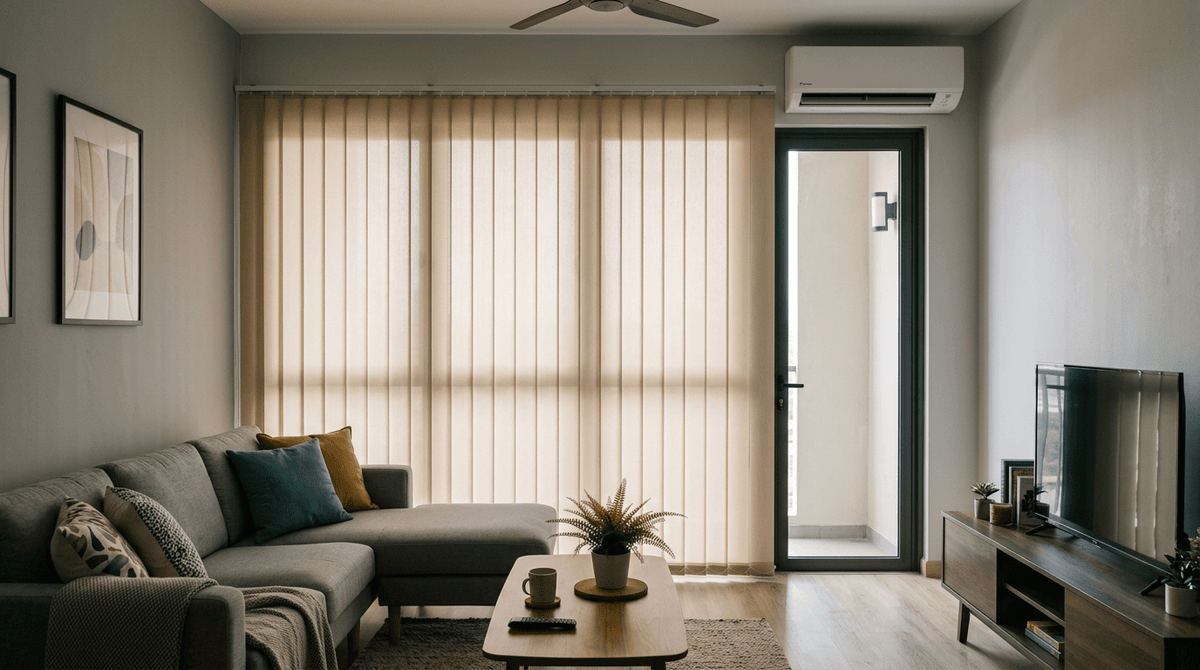
Malaysia’s electricity story is partly weather and partly paper: progressive domestic tariffs reward staying in lower kWh bands, while humidity quietly extends how long your inverter air conditioner runs even when the setpoint looks reasonable. On the Peninsula, Tenaga Nasional Berhad (TNB) is the name on most bills; Sabah and Sarawak customers work with their regional utilities under separate schedules. The logo changes; the meter still counts kWh.
Pair context with numbers: Average Home Power Usage in Malaysia and How to Calculate Electricity Bill from kWh.
The Energy Commission (Suruhanjaya Tenaga) publishes sector information and consumer-facing material at Suruhanjaya Tenaga. TNB’s customer hub for tariffs, outages, and account tools sits at Tenaga Nasional. Use those pages when you need approved rates or official announcements, not third-party screenshots.
Why “one more degree cold” is expensive in the tropics
Lowering the AC setpoint in a humid room forces longer dehumidification work, not only temperature change. Dry mode for short periods, fan circulation, clean filters, and shading west-facing glass often cut runtime more than buying a second remote-controlled unit. Ceiling fans in occupied rooms let you keep a slightly higher setpoint without feeling sticky.
Tariff blocks: stay low, save twice
Residential schedules typically stack increasing rates as monthly kWh rises. Cutting top-band kWh saves more ringgit per unit than trimming usage you would have paid at the cheapest step. List your always-on loads—fish tanks, network racks, second refrigerators, water feature pumps—because they are the quiet agents that park you in expensive slices.
Before buying solar or batteries, model scenarios in the WattSizing Calculator so you know which loads actually dominate.
Hot water, cooking, and the Malaysian wet kitchen
Storage heaters and instant showers both reward shorter flow times and pipe insulation you can reach. Induction hobs can trim wasted heat versus older electric coils; pressure cookers shorten boil-to-table cycles for staples many households cook daily.
Illustrative MYR example (blended rate for teaching)
True TNB bills are stepped; imagine a single blended RM 0.55 per kWh for illustration and RM 12 fixed items for the month:
- 520 kWh
- Energy:
520 × 0.55 = RM 286 - Plus fixed:
286 + 12 = RM 298
Reduce kWh 9% with AC maintenance, setpoint discipline, and baseload cleanup:
- New kWh:
473 - Energy:
473 × 0.55 = RM 260.15 - Total:
260.15 + 12 = RM 272.15
Illustrative monthly saving about RM 25.85. On a real block table, dropping a tier could save more.
Fourteen days that fit terrace houses and condos
- Service indoor AC filters; verify drainage is not backing up into humidity.
- Raise daytime cooling setpoint 0.5–1°C where comfort allows.
- Film or blinds on the hottest facade.
- Timer water heaters; avoid reheating all day when nobody showers until evening.
- Smart power strip for TV/gaming stacks.
- Retire the bar fridge full of forgotten bottles.
- Compare the same calendar month year on year in the TNB app—weather-normalise mentally.
When to escalate billing questions
Meter faults, estimated reads, or new tenants can distort one cycle. TNB channels and regional utilities publish complaint workflows; keep photos of the meter display and PDF bills.
FAQs
Why did my bill jump if petrol/diesel prices moved?
Retail electricity includes fuel and system pass-through components that can change between periods. Compare kWh and effective RM/kWh separately.
Is it cheaper to run AC all day at a high setpoint than cycle it?
Depends on envelope, unit size, and humidity. Try steady modest setpoints with fan assist rather than deep freeze bursts—track kWh in the app for two weeks each way.
Do voltage optimisation boxes save money?
Be sceptical; many claims do not survive measurement. Spend effort on known kWh cuts first.
Can renters improve bills?
Yes: LED, curtains, AC maintenance requests to building management, power strips, and shorter hot-water routines.
What about Sabah and Sarawak?
Utilities and tariff tables differ; download your utility’s domestic schedule. The block idea still applies.
Should I buy solar PV?
Evaluate roof, shading, export rules, and payback with a qualified installer. Waste reduction still lowers the size you finance.
Why is nighttime kWh nonzero?
Fridges, routers, security DVRs, AC dry mode, and hot water maintenance cycles. A midnight meter snapshot two nights in a row tells you if baseline is sane.
Where is the official tariff PDF?
Use TNB or Suruhanjaya Tenaga links for the current domestic table; bookmark the PDF revision date.
Sources
Use WattSizing to rank your loads
Estimate which appliance schedules move the meter most with the WattSizing Calculator, then attack the top item for one full billing cycle.


